
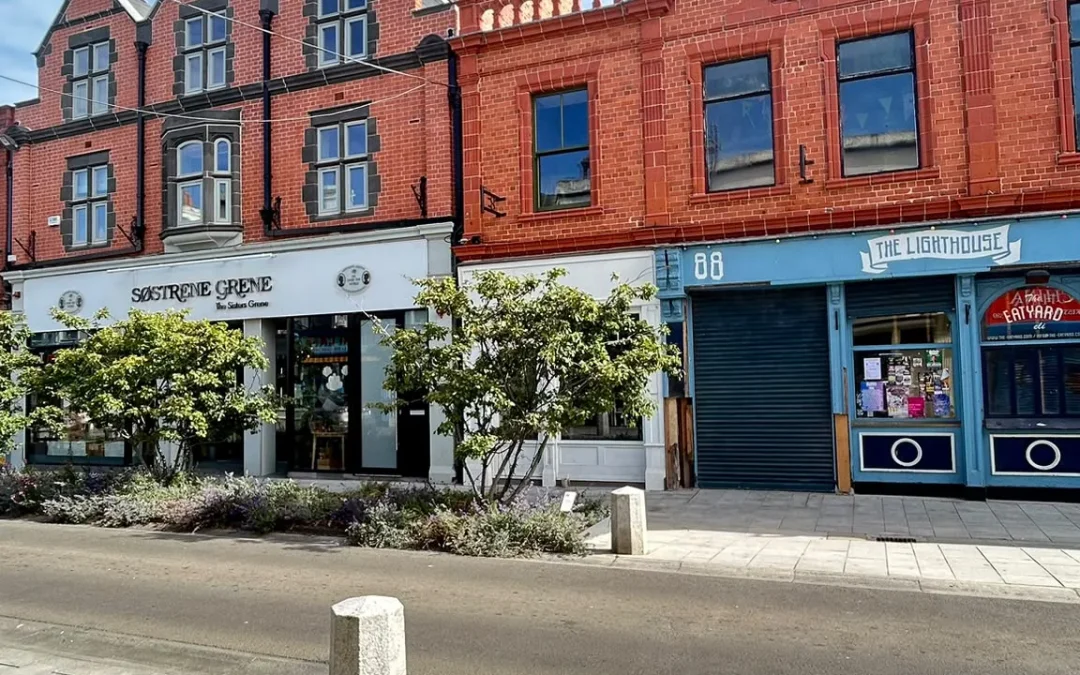
Building Conservation in Dublin: Traditional Craftsmanship Meets Modern Restoration Techniques
In a city rich with history and architectural heritage, Building Conservation in Dublin plays a vital role in preserving the unique character of our urban landscape. As buildings age, they require skilled craftsmanship and modern restoration techniques to maintain their integrity without compromising their historical significance. This article delves into the world of building conservation in Dublin, offering insights into traditional craftsmanship and how it’s blended with innovative restoration methods.
The Importance of Building Conservation
Building conservation is essential for maintaining the cultural heritage of Dublin. The city is home to numerous historic sites, from Georgian townhouses to medieval churches, that tell the story of Ireland’s past. Preserving these structures ensures that future generations can appreciate the craftsmanship and artistry embodied in their construction. Moreover, building conservation can enhance local communities by promoting tourism and fostering a sense of pride among residents.
Understanding Traditional Craftsmanship
Traditional craftsmanship encompasses a wide range of skills necessary for the restoration and preservation of historic buildings. These skills include:
- Stone masonry: Involves the skilled shaping and repairing of stone, critical for maintaining the structural integrity of historic buildings.
- Joinery: Refers to the construction and repair of wooden components, such as doors, windows, and flooring, integrating seamlessly with original designs.
- Plastering: Essential for repairing decorative plasterwork and ensuring that internal and external finishes maintain their historical character.
- Roofing: Specialists in traditional roofing techniques, including slate and thatch, can restore roofs to their original appearance while ensuring they are weatherproof and durable.
Modern Restoration Techniques
While traditional craftsmanship is fundamental to building conservation, incorporating modern restoration techniques is equally crucial. These may include:
- Structural repairs: Advanced techniques, such as underpinning and reinforcements, help address any structural issues without altering the building’s external appearance.
- Energy efficiency upgrades: Modern methods allow for the integration of energy-efficient systems, including insulation and renewable energy sources, while respecting the integrity of historical architecture.
- Advanced cleaning methods: Non-invasive cleaning technologies, such as steam cleaning and chemical treatments, can safely remove dirt and pollution without damaging original materials.
This combination of old and new not only preserves the building’s heritage but also improves its functionality and sustainability.
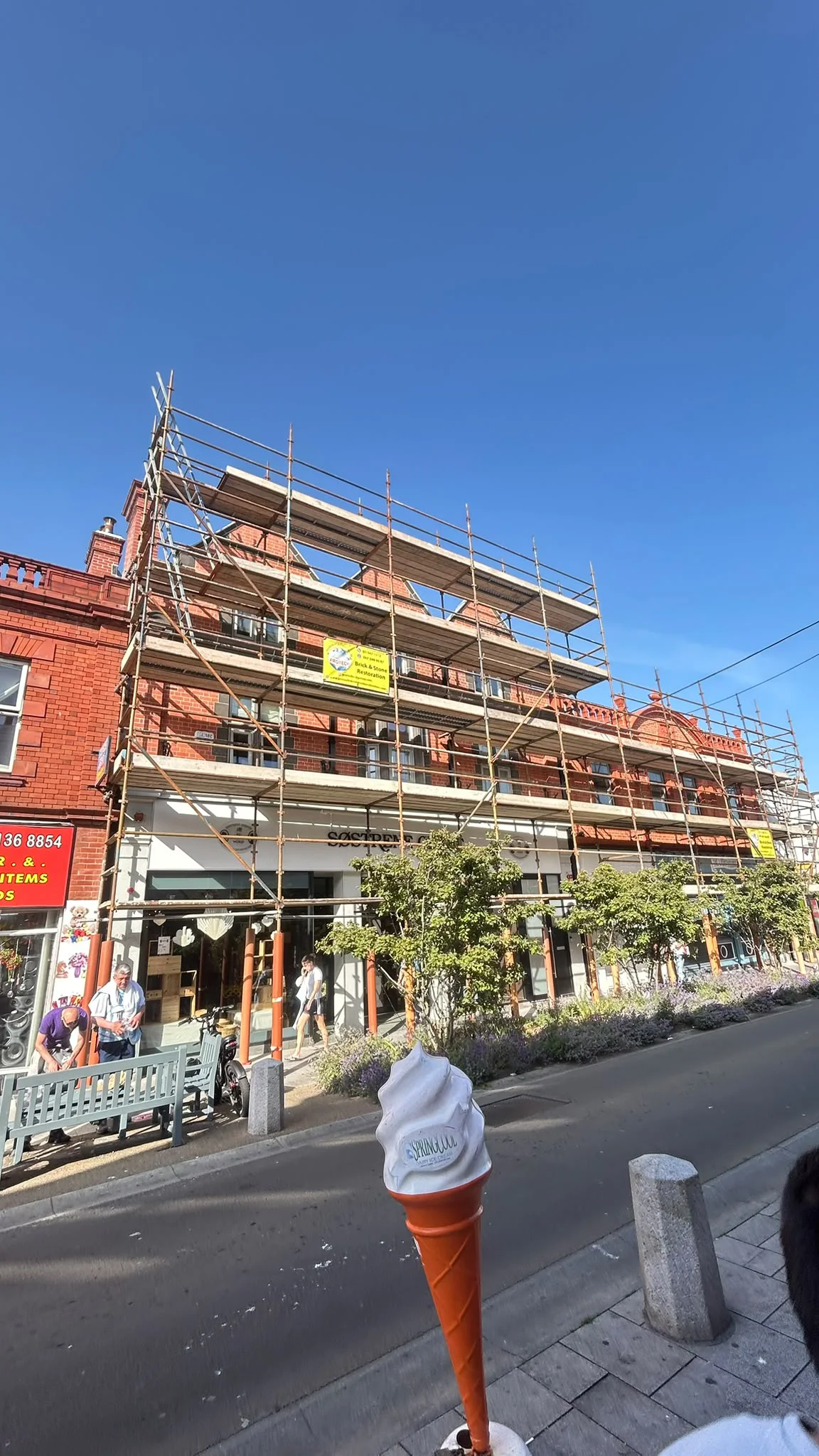
Challenges in Building Conservation
Building conservation is not without its challenges. Some of the key issues include:
- Strict regulations: Many historic buildings are protected by laws that demand specific conservation practices, which can limit the methods available for restoration.
- Material sourcing: Finding authentic materials that match original constructions can be difficult and sometimes costly, requiring specialised suppliers.
- Skilled labour shortages: While there are many talented craftsmen, the number of skilled tradespeople trained in traditional methods is declining, leading to a potential skills gap in this field.
Despite these challenges, expert craftsmen and restoration professionals in Dublin continue to rise to the occasion, demonstrating a commitment to preserving the city’s architectural legacy.
Case Studies: Successful Building Conservation Projects in Dublin
Several notable conservation projects in Dublin exemplify the successful blend of traditional craftsmanship with modern techniques:
- The Custom House: A stunning example of Georgian architecture, this building underwent extensive restoration, where original stonework was preserved while modern safety standards were implemented.
- The Royal Hospital Kilmainham: Preserving this historical landmark involved meticulous attention to its façade and gardens, combining traditional masonry with modern techniques to ensure structural stability.
- St. Patrick’s Cathedral: Restoration efforts included the careful refurbishment of both the exterior and interior, reflecting the building’s historical features while incorporating modern safety improvements.
These projects not only showcase the artistry involved in conservation but also highlight the importance of blending past and present to create safe and functional spaces.
Frequently Asked Questions
What is building conservation?
Building conservation is the process of maintaining and preserving historic buildings to protect their cultural and historical significance.
Why is traditional craftsmanship important in conservation?
Traditional craftsmanship is essential for accurately restoring and preserving the original features and materials of historic buildings.
What modern techniques are used in building conservation?
Modern techniques such as structural repairs, energy efficiency upgrades, and advanced cleaning methods are used to ensure the building's functionality while preserving its aesthetic.
What challenges do contractors face in building conservation?
Challenges include strict regulations, material sourcing issues, and a shortage of skilled labour trained in traditional methods.
Can building conservation improve a property's value?
Yes, well-executed building conservation can significantly enhance a property's value by preserving its character and increasing its appeal to buyers.
Get Expert Help for Your Conservation Project
If you’re considering a building conservation project in Dublin, it’s essential to work with specialists who understand both traditional craftsmanship and modern restoration techniques. Contact us today to learn more about our services and how we can help you preserve your property’s heritage for future generations.